
Topic
Logistics
Shipping, drayage, install & dismantle and show services: how I keep them on schedule and off the re-bill.
Logistics is the part of a trade show nobody sees when it goes right. Your booth shows up, the crates go into storage, the power is on and the freight goes home on time. When it goes wrong, you find out in the aisle or on a bill that comes after the show. Most of it comes down to reading the exhibitor manual early and hitting the dates in it.
Start with the basics
Shipping, material handling (drayage), targeted move-in and forced freight work about the same way in most buildings. I put those basics in one place in Exhibitor logistics 101, including when to use the advance warehouse instead of shipping direct and how material handling is billed and kept down. It also covers what happens if your carrier misses its window at move-out.
Then check the building
Some rules change from venue to venue, like who can set up your booth and what you can carry in yourself. How trucks check in at the docks differs too. My convention center guides cover those differences for Chicago, Orlando, Las Vegas, St. Louis, Atlanta, Dallas, New York City, San Diego and Nashville.
Put the deadlines on the calendar
Freight windows come with a penalty instead of a discount. Miss the warehouse deadline or your target move-in time and the extra charges start. Labor scheduled on overtime costs a lot more than the same work on straight time, so build your move-in plan around the straight-time hours in your manual. My guide to the exhibitor manual deadlines that save the most walks through which forms and dates to put on the calendar first.
Ship less
Fewer, heavier shipments, crated or palletized, usually cost less to handle than a pile of loose boxes. Custom modular exhibits pack into fewer and smaller crates, which can lower your freight and material handling costs. Print literature near the show instead of paying to move boxes of it, or send it digitally after the show. There are more ideas in cut energy costs at tradeshows.
Have a plan B
Before you leave for the show, know what you'd do if your display doesn't show up and who you'd call. It's one of the 25 most common trade show mistakes I see.
Start here
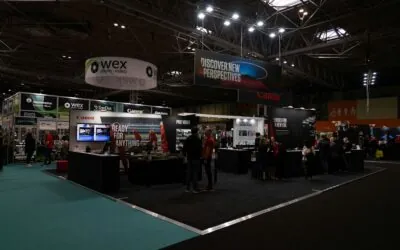
Exhibitor logistics 101: drayage, targeted move-in, advance warehouse and forced freight
How exhibitor logistics work in most U.S. convention center buildings: advance warehouse vs. direct to show, drayage, targeted move-in, forced freight and more.
Your Exhibitor Manual's Money Deadlines: Where Ordering Early Saves the Most in 2027
The deadlines that save the most are the advance-order (discount) dates for show services and venue utilities, the EAC notice, and your freight windows. One 2026 show manual says ordering early "can save you up to 30%."
How to Reduce Trade Show Energy Use and Waste
Cutting energy use and waste saves money, and a well lit booth without clutter looks better on the show floor. These are the places I'd start.